
Siding That Starts With What Is Underneath
Siding Installation in Gothenburg for older frame homes where sheathing condition and moisture barriers determine long-term performance
Older frame homes in Gothenburg were frequently built with wood siding applied directly over board sheathing, with little or no drainage plane between the two layers. When that original siding is replaced, what sits underneath it matters as much as what goes on top. 308 Exteriors begins every siding project by removing the existing material and evaluating the sheathing for soft or damaged boards before housewrap or panels are installed, which is how problems that would otherwise be buried under new siding are caught before they become structural.
The installation sequence moves from sheathing repair outward: housewrap and flashing go in before any panels are set, with window and door transitions flashed individually so each penetration drains onto the surface below it. Panels are then fastened with the correct spacing to allow the material to move as temperatures change—vinyl and steel both expand and contract, and overdriven fasteners that pin the panel rigid are a common cause of buckling that shows up a few years after installation. Corners, window trim, and all transitions are fitted as the final step, not filled in later.
Request a free consultation with 308 Exteriors to review your existing sheathing condition and discuss which siding material fits your home's exterior layout.
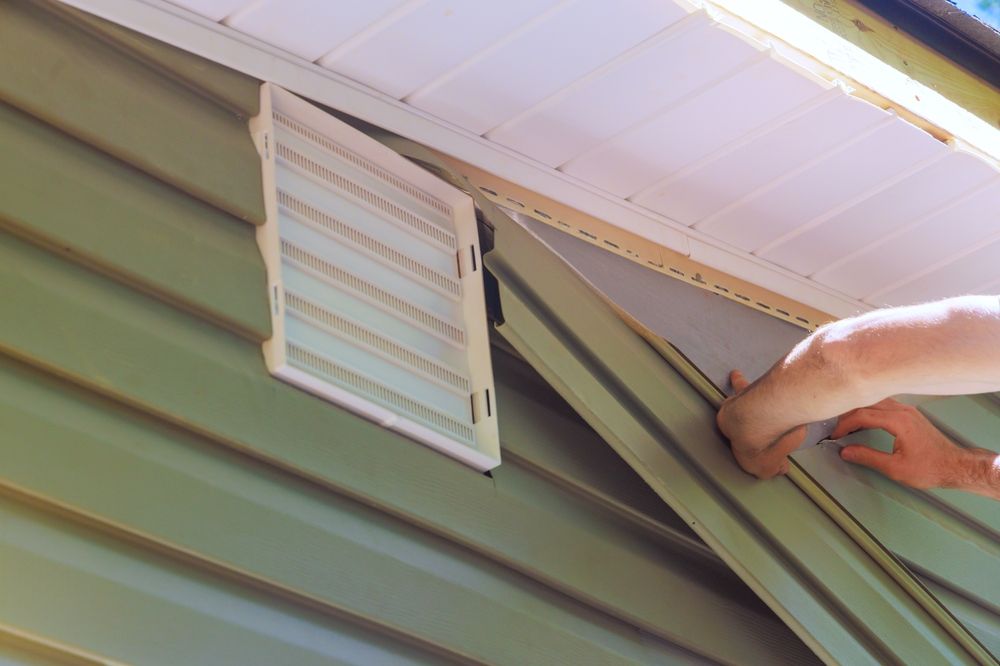
The Difference Between Surface Replacement and a Complete Siding Job
308 Exteriors offers vinyl, fiber cement, and steel siding, and the material selection affects how the installation is sequenced. Fiber cement requires a rigid nailing surface and specific fastener penetration depths; steel panels are heavier and require bracket spacing that accounts for the additional load. The estimator reviews which material suits the existing wall assembly before the quote is finalized, so the installation crew is not adapting mid-project.
Once siding is complete, the exterior should show consistent joint spacing, tight corner returns, and no visible fastener heads in the field of the panel—exposed fasteners in vinyl or steel indicate either the wrong fastener type or incorrect placement. Trim at windows and doors should be fully caulked at penetrations but should not rely on caulk to close gaps that the flashing underneath should be covering.
Because 308 Exteriors also handles remodeling work, siding can be coordinated alongside roofing or window replacement in a single exterior project rather than scheduled as a separate visit. GreenSky financing is available, and the 5-year craftsmanship warranty covers the installation work completed.
What Property Owners Ask About the Work
Homeowners replacing siding on older Gothenburg properties often want to understand what is discovered during tearoff and what role the layers beneath the panels play in how long the new siding lasts.
What happens if damaged sheathing is found once the old siding comes off?
Soft or rotted sheathing boards are replaced before housewrap goes on; installing over compromised sheathing would give the new fasteners nothing solid to hold and would trap the existing moisture problem under the new panels.
How is housewrap installed correctly around window and door openings?
Each opening gets individual flashing tape applied in a specific sequence—sill first, then jambs lapped over the sill, then the head lapped over the jambs—so any water that enters the gap drains out at the bottom rather than into the framing.
Why does fastener spacing matter for vinyl and steel siding panels?
Both materials expand and contract with temperature; fasteners set too tight prevent that movement and cause the panel to buckle or crack, while fasteners spaced too far apart allow the panel to shift and separate at the joints.
What distinguishes fiber cement from vinyl on an older Gothenburg frame home?
Fiber cement is heavier and requires a fully solid nailing surface, which means sheathing gaps or deteriorated board edges that vinyl can bridge must be corrected before fiber cement panels are set.
How should finished siding be evaluated once installation is complete?
Walk the perimeter and check that corner trim returns are fully engaged, panel joints are consistent without gaps or crowding, and no field fasteners are visible through the panel face—those three indicators cover the most common installation shortcuts.
308 Exteriors also provides siding installation in Cozad, Kearney, North Platte, and Lexington. To schedule a free consultation and sheathing review for your home, call 308 Exteriors at (308) 529-2445.